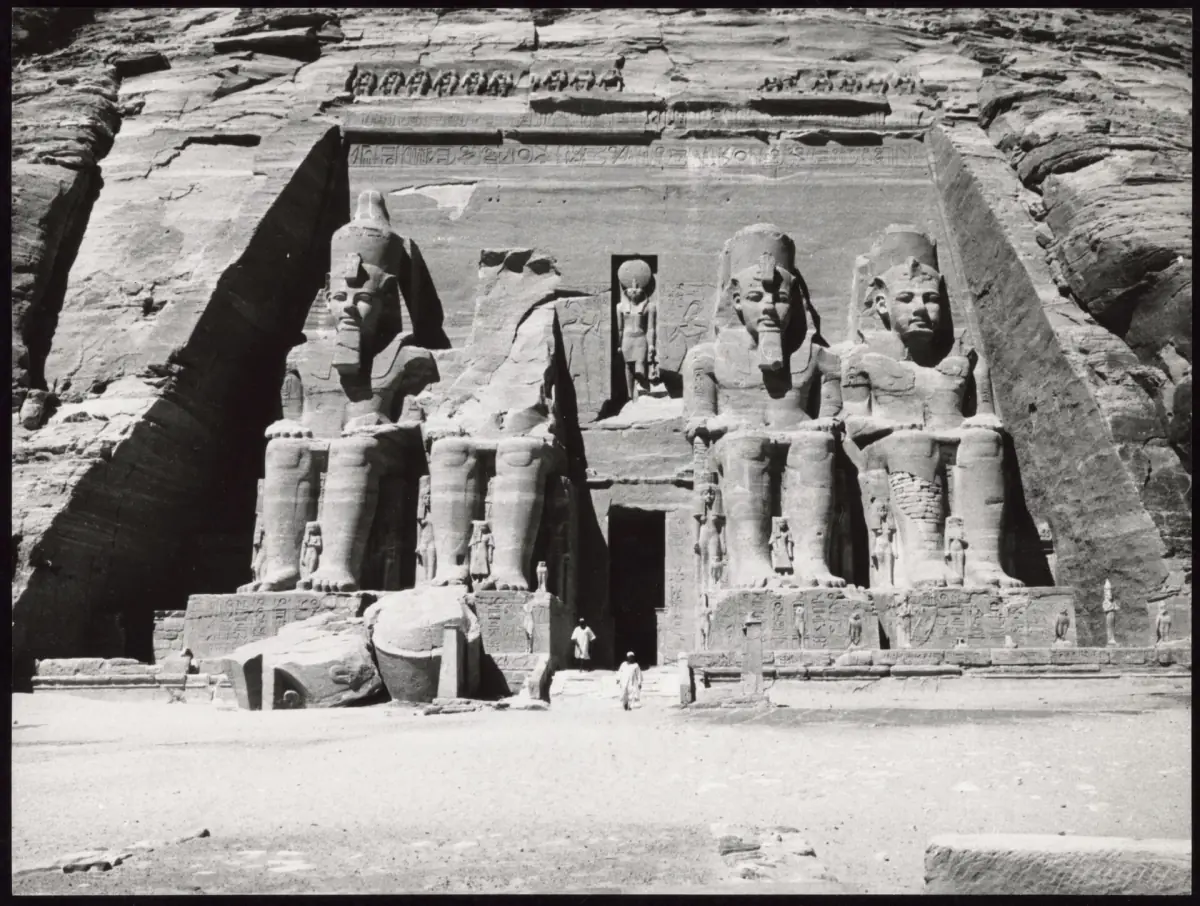
How was Abu Simbel moved?
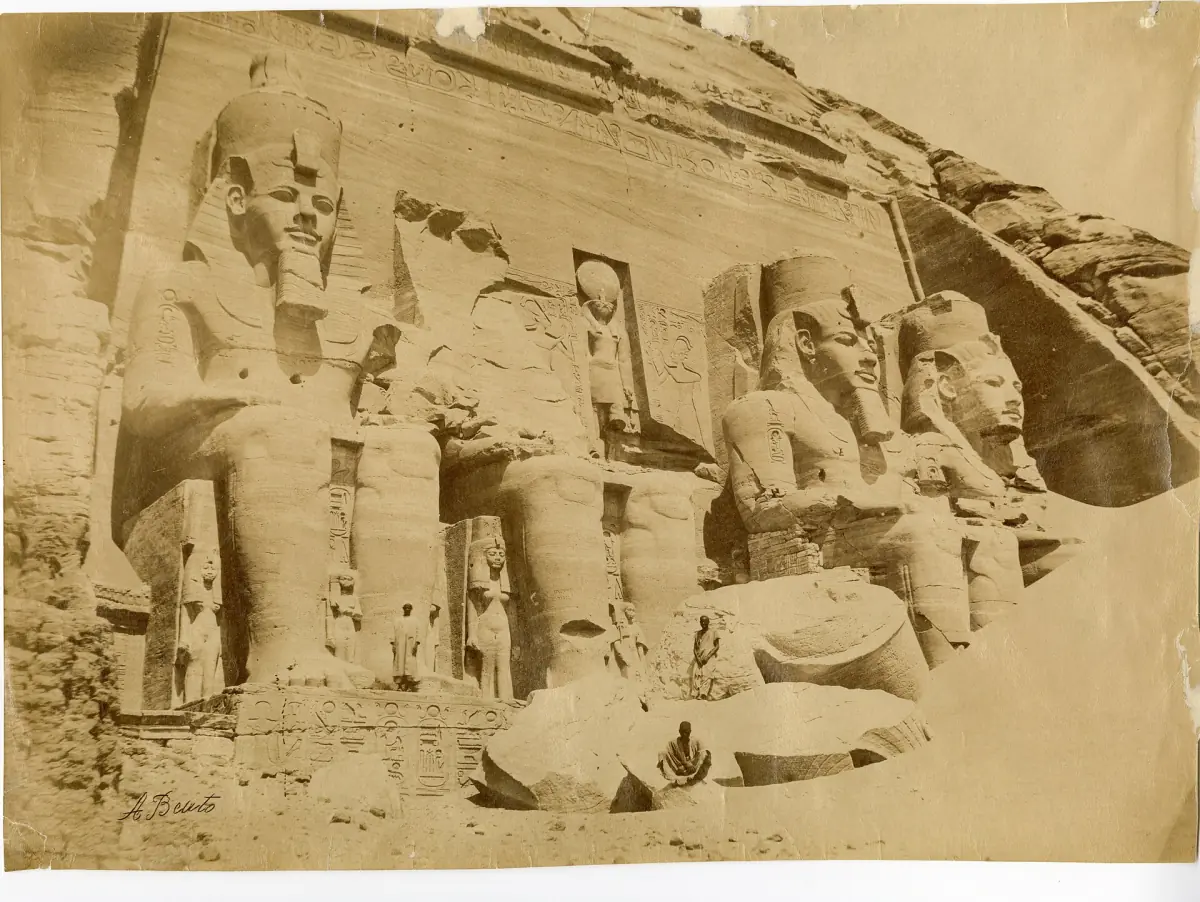
Abu Simbel was moved because the reservoir behind the Aswan High Dam would have flooded it. The temples stood on the river bank in Nubia, close to the water line of the future lake. In the 1960s engineers cut both temples out of the rock in large blocks and put them back together on higher ground nearby. The work was part of the UNESCO campaign to save the monuments of Nubia, which ran from 1960 to 1980.
Today you walk into the rebuilt temples, not the original rock. The new site lies roughly 64 to 65 m higher and 180 to 210 m away from the old one. You can see the temples and hear the story on one of the Abu Simbel day trips from Aswan.
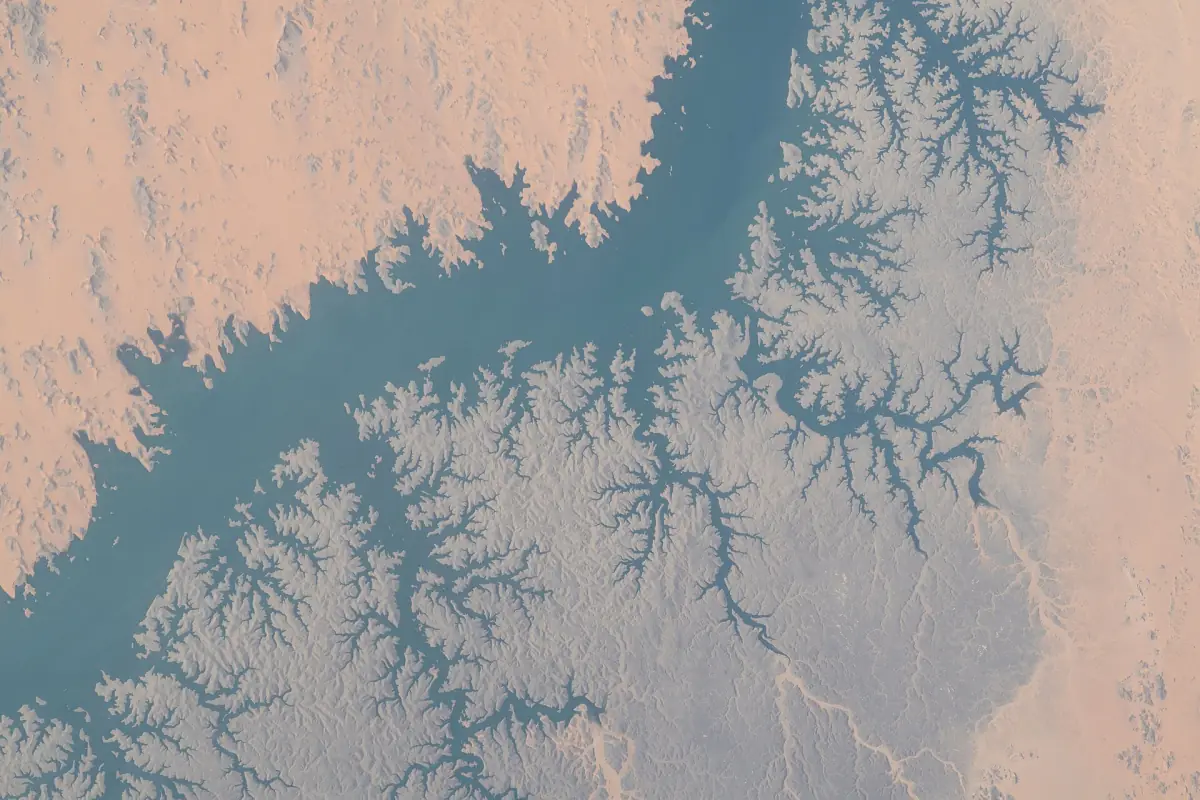
Why the temples had to move
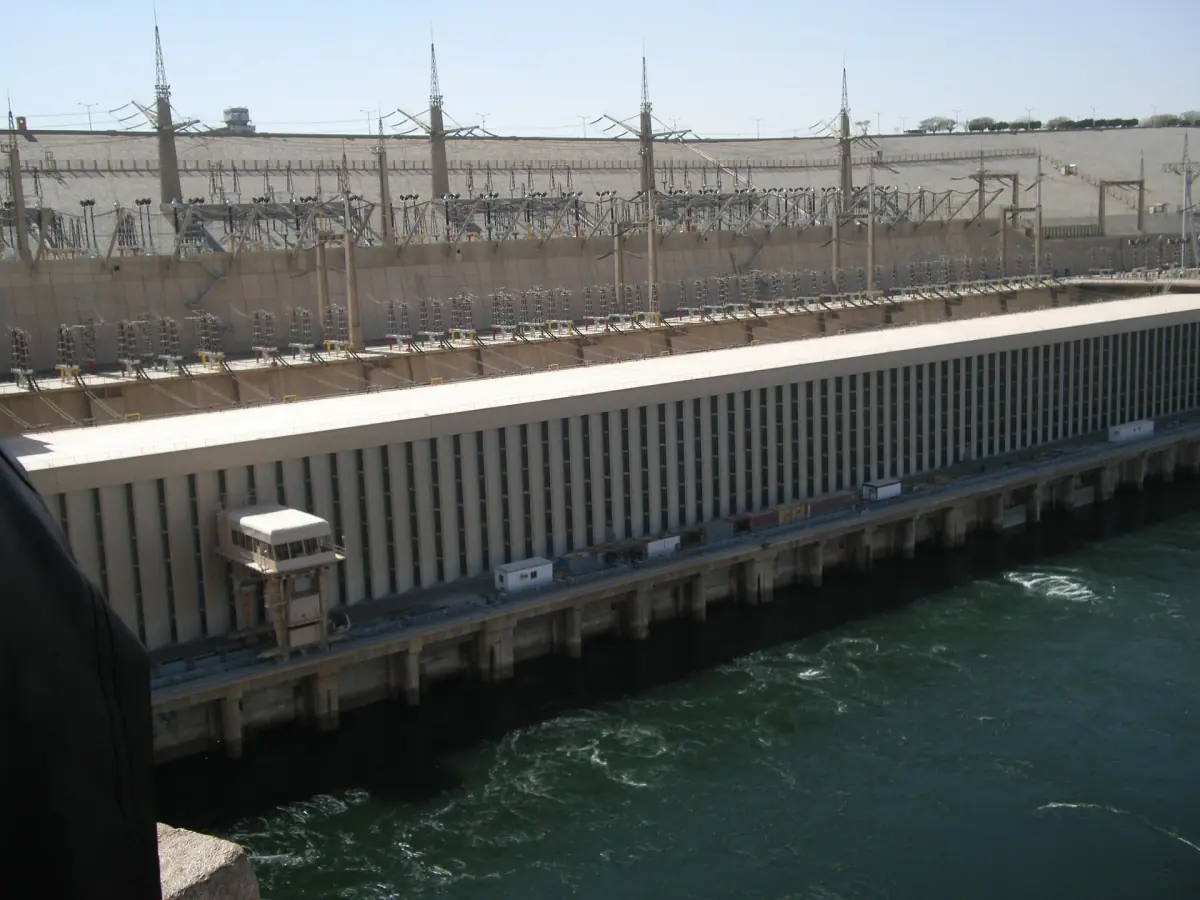
The Aswan High Dam holds back the Nile as Lake Nasser.
The rising water would have drowned many monuments along the Nubian Nile, among them Abu Simbel and Philae. Egypt asked for international help, and UNESCO launched a campaign in 1960. The goal was to save the monuments by moving them rather than leaving them to the lake.
The campaign ended in 1980. It covered far more than Abu Simbel: 22 monuments and temple complexes were rescued, and about 50 countries donated roughly half of the cost. The campaign also led to the founding of the Nubian Museum in Aswan. You can read about the dam on the Aswan High Dam page of our Nubia guide, and the island temple of Philae was rescued by the same campaign.
How the rescue worked, step by step
1. Cutting
Workers sawed both temples and the rock around them into more than 1,000 blocks. Each block weighed about 30 t. Work began in late 1963 or in 1964.
2. Numbering
Every block was numbered so that it could go back in the right place.
3. Lifting
The blocks went to a new site higher up the slope. It lies roughly 64 to 65 m higher and 180 to 210 m away from where the temples stood.
4. Rebuilding
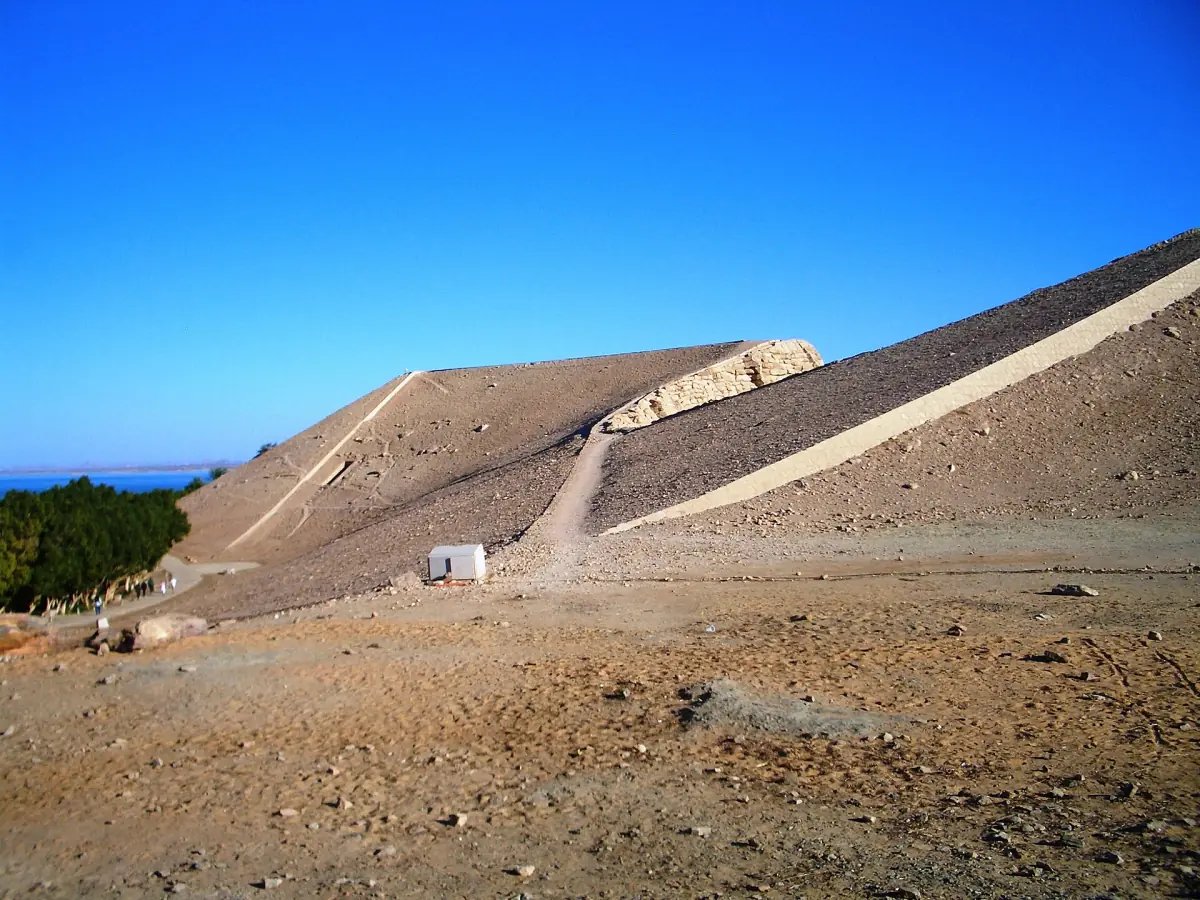
The blocks were reassembled inside an artificial rock hill. The hill gives the temples a rock setting again.
Our pick: the High Dam and Abu Simbel together
Two private days with the High Dam that made the move necessary, Philae and Abu Simbel.
Hand-picked tours, booked through GetYourGuide. Prices are indicative starting prices in US dollars (as of October 2026). Tap a tour for live availability and the current price in your currency.
Abu Simbel tours and tickets from Aswan
Day trips that include the rebuilt temples, guided tours and other ways to reach Abu Simbel, with live prices and availability.
The artificial hill and the new site
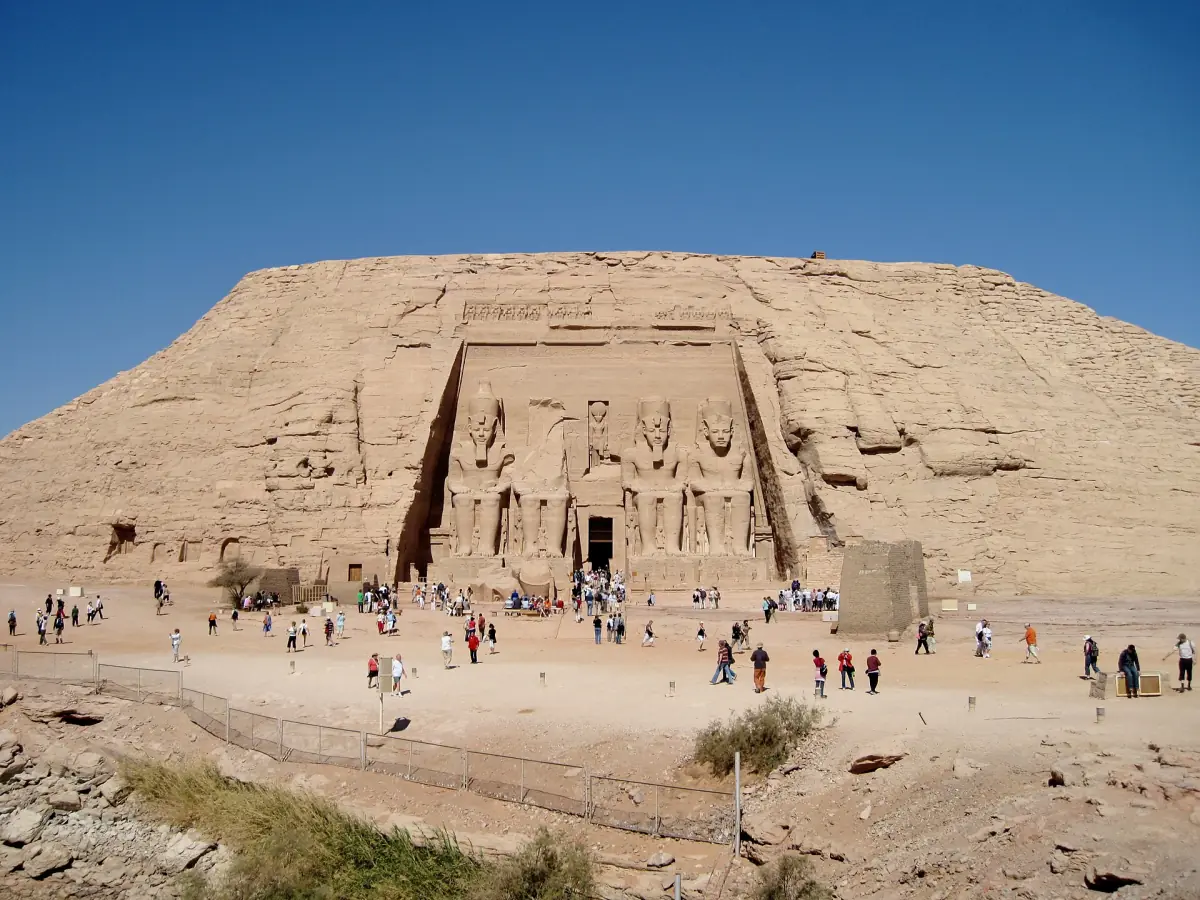
When you stand on the plaza, the cliff behind the temples looks natural. It is not. The hill is a built structure over the rebuilt temples. It is part of the monument today.
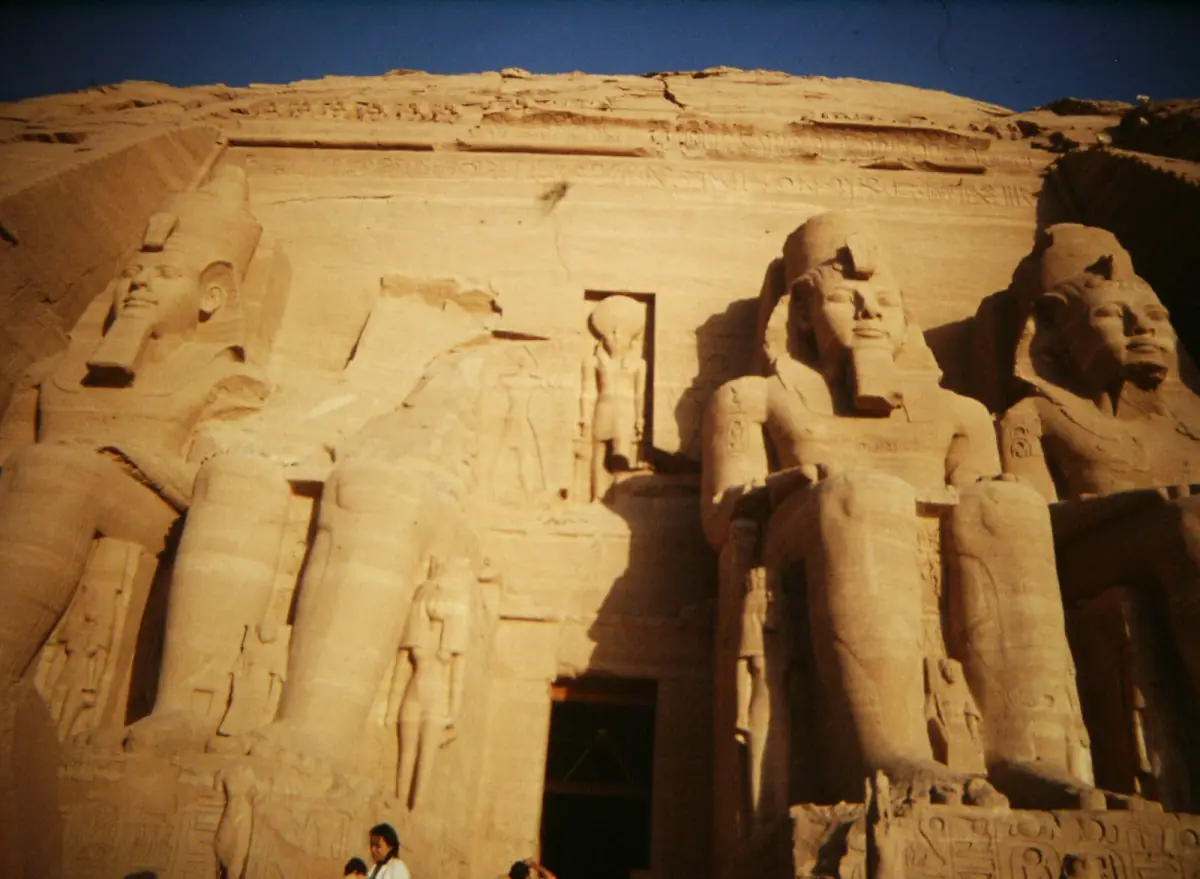
The move also affected how the temples align with the sun. On 22 February and 22 October the light still reaches the sanctuary figures. Treat these two dates as the ones that count today. The sun festival page has the times and ticket prices.
Abu Simbel moved: dates, distances and costs
Where two numbers are given, the figure is a range.
| Detail | Figure |
|---|---|
| UNESCO campaign | 1960 to 1980 |
| Start of the temple move | November 1963 or 1964 |
| Opening at the new site | 22 September 1968 |
| Blocks | More than 1,000, each about 30 t |
| New position | 64 to 65 m higher, 180 to 210 m away |
| Cost of moving the temples | About $40 million in the 1960s |
| Cost of the whole campaign | About $80 million for 22 monuments, half from about 50 countries |
The two cost lines cover different things. The $40 million is for the temples at Abu Simbel only. The $80 million is for the whole campaign. Neither figure is adjusted to today's money.
What to look for when you visit
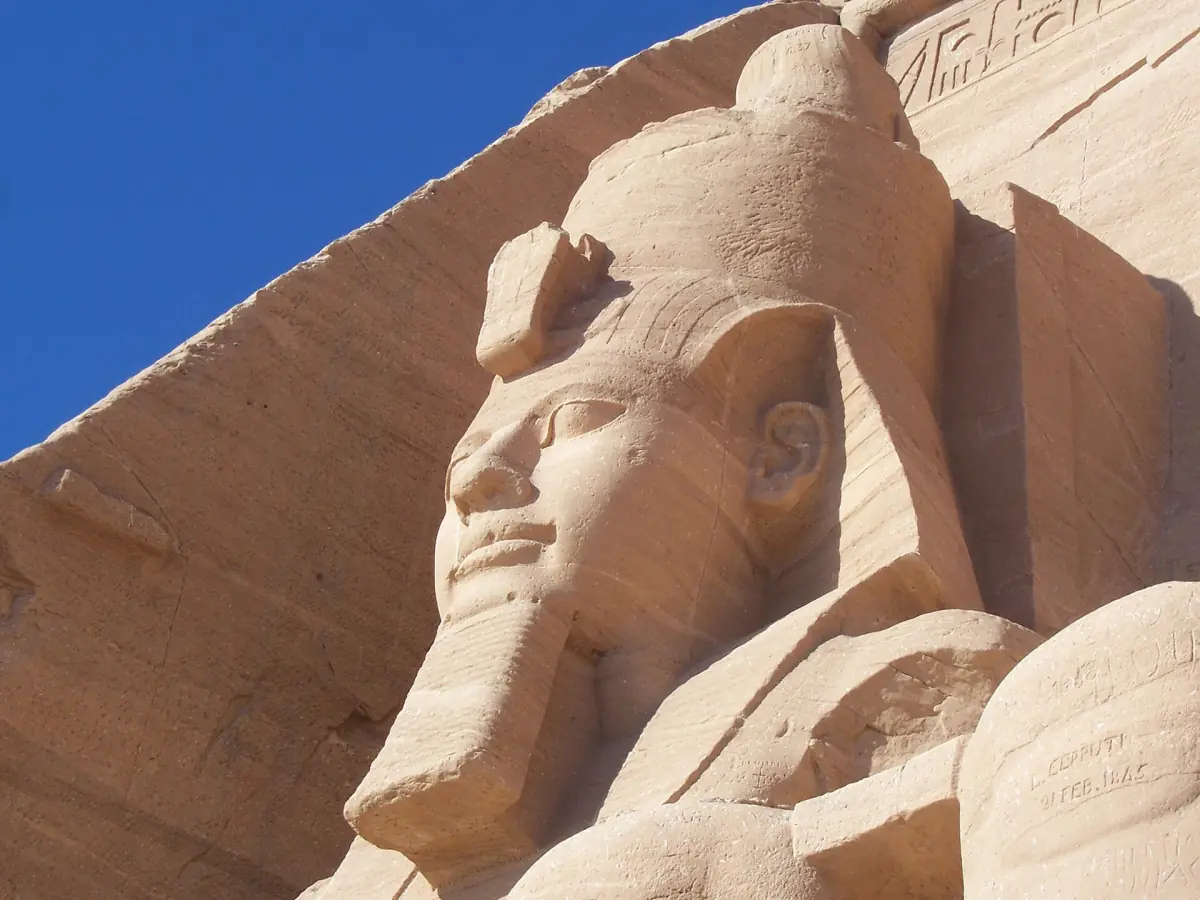
The fallen head of the colossus at the foot of the facade is much older. It came down in an earthquake in ancient times, and its pieces still lie in front of the temple.
Take a minute on the plaza to look at the site as a whole. You see the Great Temple, the small temple and the slope that was built for them. Then go inside and see the rooms described on the Abu Simbel inside page.
Costs: the temples and the whole campaign
Two amounts are often mixed up, and they describe different things. Moving the two temples at Abu Simbel cost about $40 million. The whole campaign for the monuments of Nubia cost about $80 million, covering 22 monuments and complexes. About 50 countries donated half of that sum.
Neither figure is converted to today's money, so do not compare it with modern projects without adjusting for the years in between.
Abu Simbel relocation: frequently asked questions
Why was Abu Simbel moved?
The reservoir behind the Aswan High Dam would have flooded the temples. They were moved to higher ground as part of the UNESCO campaign to save the monuments of Nubia.
When was Abu Simbel moved?
The move started in late 1963 or 1964, and the temples opened at the new site on 22 September 1968.
How far was Abu Simbel moved?
Roughly 64 to 65 m higher and 180 to 210 m away from the original position.
How many blocks was it cut into?
More than 1,000 blocks, each of about 30 t, numbered and rebuilt inside an artificial rock hill.
How much did it cost?
About $40 million for moving the temples. The whole UNESCO campaign cost about $80 million for 22 monuments, with about half donated by around 50 countries.
Is this the official site of the temples?
No. This is an independent travel guide with no connection to UNESCO or to the authorities that manage the site.